

Per decenni il packaging è stato trattato come una linea di costo.
Un articolo di breve durata e monouso.
Qualcosa progettato per essere scartato il più rapidamente possibile.
Questa mentalità è sempre più disallineata rispetto alle realtà che le aziende si trovano ad affrontare oggi a causa dell'aumento dei costi dei materiali, delle pressioni normative, della complessità della supply chain e delle crescenti aspettative dei clienti.
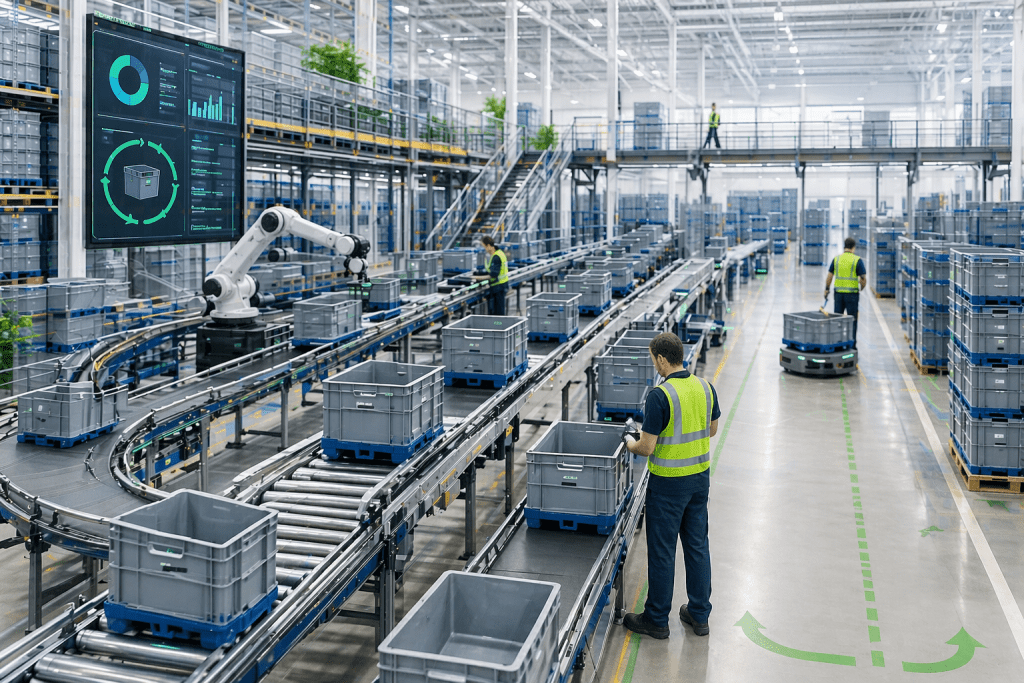
Gli imballaggi riutilizzabili mettono in discussione questo modello. Se progettato e implementato correttamente, l'imballaggio smette di essere un bene di consumo e diventa qualcosa di molto più prezioso: un asset operativo.
Come i pallet, le casse o i contenitori, gli imballaggi riutilizzabili possono circolare ripetutamente attraverso le catene logistiche e di fornitura, creando valore a lungo termine anziché continui rifiuti.
Dal costo all'infrastruttura
Quando l'imballaggio viene integrato nell'infrastruttura della logistica e della supply chain, il suo ruolo cambia radicalmente. Invece di essere acquistato, usato una volta e gettato, diventa:
- Un bene fisico con una durata di vita definita
- Un sistema che supporta operazioni affidabili
- Uno strumento condiviso che collega fornitori, operatori e clienti
Le aziende che già trattano gli imballaggi riutilizzabili come un bene, in genere vedono chiari vantaggi:
- Costi più prevedibili e stabili nel tempo
- Una collaborazione più forte attraverso le catene di fornitura
- Relazioni più profonde con clienti e fornitori
- Migliore resilienza operativa attraverso la standardizzazione degli asset
Gli imballaggi riutilizzabili non sono solo un'iniziativa di sostenibilità, ma sono diventati una scelta strategica che influisce sul modo in cui le merci si muovono, sul modo in cui i partner collaborano e sul modo in cui il valore viene conservato attraverso i cicli.
Un esempio concreto di vendita al dettaglio: Ocado Retail
La teoria degli imballaggi riutilizzabili è convincente, ma i risultati contano. Un esempio lampante viene dal negozio di alimentari online del Regno Unito Ocado Retail, che ha sperimentato imballaggi riutilizzabili per prodotti alimentari di uso quotidiano come il riso basmati, la pasta e il detersivo per il bucato.
In questa sperimentazione, i prodotti sono stati consegnati in contenitori riutilizzabili dedicati, Il sistema è stato integrato direttamente nei normali ordini di alimentari online dei clienti. I contenitori sono stati restituiti durante la successiva consegna programmata, rendendo il riutilizzo parte integrante del percorso del cliente.
Che cosa hanno mostrato i risultati?
- Prodotti riutilizzabili raggiunti fino a ~43% di quota di vendite settimanali rispetto ai loro equivalenti monouso.
- 96% di clienti hanno riferito di essere molto soddisfatti e disposti a utilizzare nuovamente il sistema.
- Tassi di ritorno superiori a 80%, significativamente superiore ai tipici programmi di ritiro dei prodotti monouso.
- I tassi di ricarica in negozio hanno raggiunto ~57%, che dimostrano una forte redditività operativa.
(Fonte: Il Guardian, Circolare online)
Questi risultati dimostrano un punto importante: quando il riutilizzo è concepito come parte del sistema e non come un'aggiunta, i clienti si impegnano, le operazioni funzionano e il valore viene conservato.
Cosa fa funzionare un'infrastruttura di imballaggi riutilizzabili?
Gli imballaggi riutilizzabili non si limitano a scambiare i materiali. Richiede un'infrastruttura coordinata con diversi componenti interconnessi. Sebbene ogni azienda sia diversa, i sistemi di successo si basano su quattro elementi fondamentali.
1. Progettazione e selezione degli imballaggi riutilizzabili
Gli imballaggi riutilizzabili devono essere progettati come un bene durevole:
- Abbastanza robusto da resistere a più cicli
- Adatto al prodotto che protegge
- In grado di mantenere qualità, sicurezza e prestazioni nel tempo.
Le decisioni di progettazione, come i materiali, i formati e la standardizzazione, giocano un ruolo fondamentale nel determinare il numero di cicli che un bene può realisticamente raggiungere.
2. Trasporto e logistica inversa
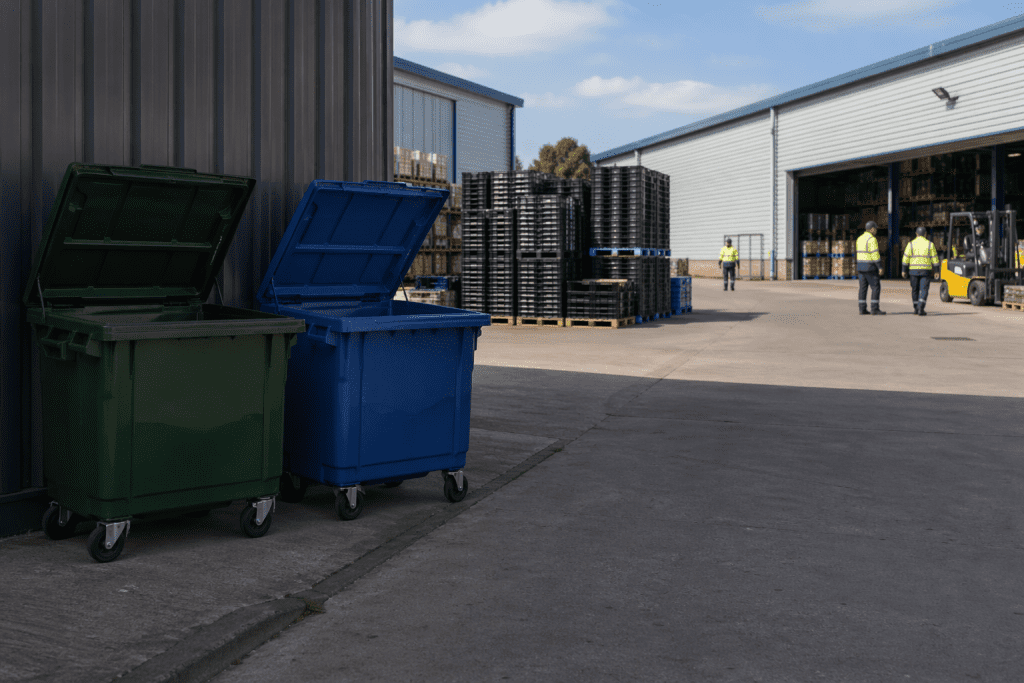
I sistemi riutilizzabili si basano su flussi di ritorno efficienti.
Gli imballaggi vuoti devono tornare in modo affidabile, prevedibile e su scala.
I modelli di maggior successo non reinventano la logistica da zero. Al contrario, essi integrare i flussi di ritorno nelle vie di trasporto esistenti, riducendo al minimo gli attriti e i costi aggiuntivi.
3. Raccolta, smistamento e pulizia
Una volta restituito, l'imballaggio deve essere:
- Raccolta in volumi sufficienti
- Smistati in modo efficiente
- Pulito per soddisfare i requisiti di igiene e sicurezza
La configurazione operativa deve corrispondere alla frequenza, alla produttività e ai requisiti normativi della specifica categoria di prodotti, che si tratti di alimenti, cosmetici, e-commerce o prodotti industriali.
4. Tracciabilità e coordinamento
Gli imballaggi riutilizzabili funzionano solo se i beni rimangono visibili.
La tracciabilità consente ai partner della rete di:
- Tracciare la posizione e i cicli delle risorse
- Misurare le prestazioni e le perdite
- Ottimizzare i flussi e la capacità
- Condividere la responsabilità tra le parti interessate
Senza coordinamento e visibilità dei dati, anche il packaging più robusto fatica a fornire il suo pieno valore.
Sistemi, non silos
Questi elementi non esistono in modo isolato. Sono profondamente interconnessi e i compromessi in un'area influenzano le prestazioni in un'altra.
Ogni azienda, catena di fornitura o rete ha le sue specificità. Per alcune, la progettazione degli imballaggi è la sfida principale. Per altri, la logistica inversa o la tracciabilità determinano il successo. La chiave non è una soluzione unica per tutti, ma una approccio a livello di sistema.
Come Circl'it supporta i sistemi di imballaggio riutilizzabili
In Circl'it affrontiamo il tema degli imballaggi riutilizzabili come infrastrutture, non come semplici imballaggi.
Quando si lavora con partner e clienti, a Circolare, noi:
- Considerare tutti i componenti del sistema di imballaggio riutilizzabile
- Noi abbinare le vostre operazioni e le specifiche del prodotto al giusto asset riutilizzabile
- Facciamo un benchmarking di successo casi aziendali fondati sulla realtà operativa
- Identificare i settori in cui il riutilizzo offre il massimo valore economico e ambientale.
- Aiutiamo a testare e implementare il sistema di riutilizzo dall'inizio alla fine, comprese la formazione e la comunicazione.
La nostra esperienza ci ha insegnato che è così:
- Quasi ogni azienda ha un'opportunità per implementare asset riutilizzabili in parte delle sue operazioni
- Alcune organizzazioni possono spingersi oltre, raggiungendo sistemi completamente integrati che supportano le operazioni a rifiuti zero
La transizione non avviene da un giorno all'altro, ma inizia sempre con la ridefinizione della percezione del packaging.
Qual è la vostra opportunità?
Gli imballaggi riutilizzabili non sono una tendenza.
Si tratta di un passaggio dal consumo lineare all'infrastruttura circolare.
Sia che siate all'inizio del vostro percorso o che stiate cercando di scalare le iniziative esistenti, l'opportunità sta nel porsi la domanda giusta: Dove l'imballaggio può smettere di essere un bene di consumo e iniziare a essere una risorsa per le vostre attività?